
Views: 0 Author: Site Editor Publish Time: 2025-11-17 Origin: Site
In the medical industry, sterilization is a cornerstone of patient safety and infection control. Every medical device must undergo rigorous sterilization to ensure it is free of harmful microorganisms before use. Medical molds are essential in manufacturing these devices, directly impacting their ability to meet stringent sterilization standards. At YIXUN, a professional supplier specializing in medical mold design and manufacturing, we prioritize the development of molds that not only produce precise components but also comply fully with sterilization requirements. This ensures that healthcare providers and patients can trust the safety and quality of medical devices.
Sterilization methods vary widely, each with distinct mechanisms and material compatibility considerations that affect mold design and manufacturing.
Steam Sterilization (Autoclaving) is perhaps the most common sterilization method used in hospitals and laboratories worldwide. It relies on saturated steam under pressure to kill all forms of microbial life, including spores. This process typically involves temperatures of 121°C to 134°C and pressure levels of around 15-30 psi. Molds used for producing devices that will undergo steam sterilization must be constructed from materials capable of withstanding repeated exposure to these harsh conditions without losing dimensional stability or surface integrity. Metals such as stainless steel and hardened tool steel are often preferred because they resist corrosion and deformation caused by heat and moisture. YIXUN’s experience includes selecting the optimal steel grades and heat treatment processes to ensure molds endure long autoclave cycles while maintaining precision.
Ethylene Oxide (EtO) Sterilization is ideal for heat-sensitive medical devices. It uses a gaseous sterilant that penetrates packaging and sterilizes products at lower temperatures, usually between 30°C and 60°C. Although gentler on devices, EtO sterilization exposes molds to chemical agents that can cause material degradation or absorption if improper materials are used. Plastics or coatings on molds must resist EtO exposure without swelling or cracking. At YIXUN, we carefully choose mold materials and finishes that resist EtO’s chemical effects, ensuring the mold’s longevity and consistent product quality.
Radiation Sterilization employs ionizing radiation, such as gamma rays or electron beams, to eliminate pathogens. This method is suitable for many disposable medical devices and polymers. However, repeated radiation exposure can cause polymer chains to break down, leading to brittleness or discoloration. For molds manufacturing radiation-sterilized devices, materials must retain strength and resist radiation damage. Additionally, mold design must minimize stress concentrations that could exacerbate radiation effects. YIXUN incorporates advanced simulation and material science expertise to develop molds tailored for radiation-sterilized products, balancing durability with cost-effectiveness.
By understanding the unique requirements of each sterilization method, YIXUN provides customized medical molds that ensure product compliance, durability, and safety.
The design of medical molds significantly influences the sterilization effectiveness of the devices produced. Several design principles are essential to achieving sterilization compliance.
First, smooth surfaces and minimal crevices are fundamental. Microbial contamination often occurs in hard-to-reach places such as surface roughness, sharp corners, and undercuts. When molds produce devices with smooth, uniform surfaces, sterilants like steam, gas, or radiation can more easily penetrate and eliminate microorganisms. YIXUN employs precision machining and polishing techniques to create molds that yield flawlessly smooth medical parts, minimizing contamination risks. This not only facilitates sterilization but also enhances patient safety and device reliability.
Secondly, mold venting plays a crucial role in sterilization. Proper venting allows sterilizing agents to enter and flow throughout the mold cavity, ensuring that no trapped air pockets shield microbes from sterilization. Insufficient venting can cause uneven sterilant distribution, resulting in sterilization failures. YIXUN’s engineering team designs venting systems optimized for each sterilization method, carefully balancing the need to release trapped gases without compromising mold strength or product quality. Our venting solutions improve sterilization uniformity, especially for complex medical parts with intricate geometries.
Another critical design consideration is material compatibility and surface treatment. Surface coatings and texturing can either enhance or hinder sterilization. For example, anti-microbial coatings or polished surfaces help reduce bioburden, while porous or rough finishes can harbor contaminants. YIXUN offers tailored surface treatments that support sterilization while meeting product performance requirements.
Ultimately, mold design is a vital step toward producing medical devices that pass sterilization standards consistently and reliably.
The consequences of inadequate sterilization are profound and wide-ranging. Residual contaminants left on medical devices due to incomplete sterilization can result in severe patient safety issues.
One of the most significant risks is post-operative infections. Contaminated medical devices can introduce bacteria, viruses, or fungi into sterile body sites, causing infections that may lead to prolonged hospital stays, additional surgeries, or even mortality. For instance, surgical instruments or implantable devices manufactured from molds that do not meet sterilization requirements may harbor dangerous pathogens.
Moreover, residual endotoxins—toxins released by dead bacteria—pose an insidious risk even after microorganisms are killed. Endotoxins can cause inflammatory responses, complicating patient recovery. Ensuring medical molds produce parts that are easy to sterilize and free from contamination helps reduce this hazard.
On the regulatory front, organizations such as the FDA, ISO, and EMA enforce strict sterilization standards that medical device manufacturers must follow. Non-compliance can lead to product recalls, financial penalties, and loss of market access. For example, ISO 13485 mandates documented sterilization processes and verification of mold suitability, while the FDA’s Quality System Regulation requires validation of sterilization methods and materials.
YIXUN understands these regulatory frameworks intimately and integrates compliance considerations into every stage of mold production. This reduces the risk of product failures and liability while ensuring customers meet global market requirements.
Manufacturers employ multiple strategies to ensure that medical molds and the resulting devices comply with sterilization standards.
One key approach is sterilization testing and validation. This involves running molds through simulated sterilization cycles and verifying that no degradation or contamination occurs. Biological indicators, such as spores, are used to test the effectiveness of sterilization on the molded parts. Material compatibility tests assess whether mold materials and coatings withstand sterilization chemicals, heat, or radiation without adverse effects.
At YIXUN, we use advanced testing equipment and collaborate with third-party laboratories to validate mold performance under various sterilization regimes. This rigorous testing ensures that clients receive molds proven to produce sterilizable and safe medical devices.
In addition to initial validation, ongoing mold maintenance is vital to maintaining sterilization effectiveness. Over time, molds can develop surface wear, micro-cracks, or residue buildup that compromise sterilization. Regular cleaning, inspection, and preventive maintenance prevent these issues. YIXUN provides comprehensive mold maintenance services and technical guidance to help clients sustain mold quality and sterilization readiness throughout production cycles.
By combining innovative design, material science, thorough validation, and maintenance support, YIXUN helps manufacturers deliver medical devices that consistently meet sterilization standards.
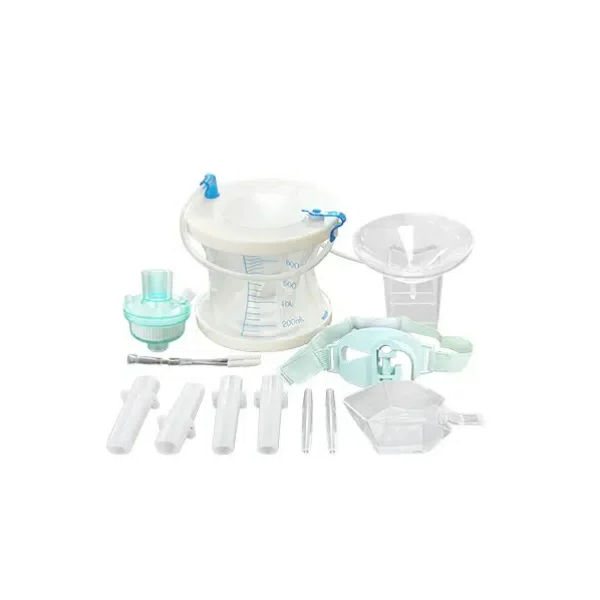
Sterilization requirements for medical molds are critical to ensuring patient safety and regulatory compliance. At YIXUN, we specialize in developing and manufacturing medical molds that meet the stringent demands of various sterilization methods, from steam and ethylene oxide to radiation sterilization. Our focus on precise mold design, material selection, and ongoing support helps medical device manufacturers produce safe, reliable products that healthcare providers and patients can trust.
To learn more about our medical molds and how we can support your sterilization needs, contact us today. Partner with YIXUN for molds that combine quality, durability, and compliance for success in the global medical industry.


