
Views: 0 Author: Site Editor Publish Time: 2025-09-02 Origin: Site
In the world of plastic manufacturing, two terms are often discussed together: mold and over mold. At first glance, they may seem similar because both relate to injection molding techniques. However, there are clear differences between them, and understanding these differences is essential for engineers, product designers, and manufacturers.
The term mold refers to the standard injection molding process, which is one of the most widely used methods for producing plastic components.
Single Material Process
Only one type of material is used. Molten plastic is injected into a mold cavity to form a part.
Simple Tooling
The mold tool is typically designed for one material and one color.
Mass Production Capability
Injection molding is highly efficient for producing large volumes of identical parts.
Applications
Automotive dashboards, bumpers
Medical device housings
Household appliance components
Electronic enclosures
Cost-effective for large production runs
Precise and repeatable
Suitable for simple and complex geometries
High-speed production
In short, traditional molding focuses on efficiency, volume, and precision using a single material.
Over mold (or overmolding) is an advanced variation of injection molding. It involves molding one material over another, creating a part with multiple layers or textures.
Multi-Material Process
Typically, a rigid substrate (such as ABS or PC) is molded first. Then a softer material (like TPE, TPU, or silicone) is molded on top of or around it.
Two-Step or Two-Shot Process
Pick-and-Place Over Molding: The base part is molded, then manually or automatically placed into another mold for the second injection.
Two-Shot Molding: A specialized machine injects two materials in sequence without removing the part.
Functional and Aesthetic Benefits
Over molding combines functionality (like waterproofing, grip, insulation) with visual appeal (multi-color, soft-touch surfaces).
Applications
Toothbrush handles with soft grips
Smartphone protective cases
Power tool grips
Medical syringes with ergonomic overlays
Enhances user comfort and ergonomics
Improves durability and shock resistance
Provides sealing and waterproofing properties
Creates premium aesthetics for consumer products
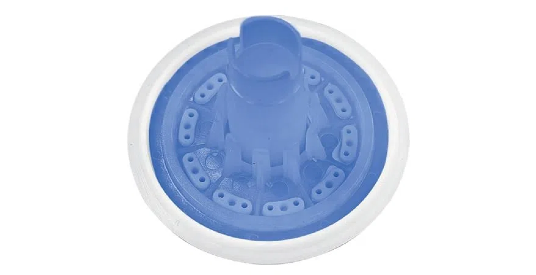
To truly understand the difference between mold and over mold, it helps to compare them side by side across several critical factors. While both techniques fall under the umbrella of plastic injection molding, they serve different purposes in product design and manufacturing. Let’s break it down step by step.
Mold: Traditional molding generally involves the use of a single material. For instance, a simple plastic housing or casing is usually made from one type of thermoplastic resin. The goal is functionality and durability, so the choice of material is typically focused on structural strength or cost-efficiency.
Over Mold: By contrast, over molding is defined by the use of two or more materials in one product. A common scenario involves combining a rigid plastic substrate with a softer thermoplastic elastomer (TPE) layer. This pairing allows manufacturers to merge strength with comfort, creating items like toothbrush handles, power tool grips, or waterproof seals. The material diversity in over molding unlocks design freedom that single-material molding cannot achieve.
Mold: A standard mold process is relatively straightforward. Plastic pellets are melted, injected into a mold cavity, cooled, and ejected as a finished part. It is a one-step process, efficient for high-volume production of simple items.
Over Mold: Over molding, on the other hand, is more complex. It requires multiple injection stages—first producing the base part, then molding the secondary material onto or around it. This calls for advanced tooling, precise temperature control, and well-coordinated machinery. While more intricate, the process ensures excellent bonding between layers, which is critical for functionality and longevity.
Mold: Products made from single-shot molding are often strong and reliable but lack advanced design features. They are typically functional but limited in tactile comfort, aesthetics, or multi-functionality.
Over Mold: With over molding, products can offer superior user experience. Soft-touch grips, ergonomic curves, multi-color contrasts, and improved waterproofing or vibration resistance are all possible. These features not only improve functionality but also enhance brand differentiation in competitive markets.
Mold: The upfront cost of single-material molds is usually lower because the tooling and process are simpler. This makes it the ideal choice for straightforward parts like electronic housings, caps, or containers.
Over Mold: Over molding requires a higher initial investment in tooling and setup. However, it can actually reduce overall costs by eliminating the need for secondary assembly, adhesives, or separate component production. In many cases, the efficiency gained in mass production justifies the higher tooling expense.
Mold: Single-material molding is commonly used for enclosures, housings, automotive components, and simple consumer goods.
Over Mold: Over molding is preferred in industries where ergonomics, branding, or multi-functionality are key. From medical devices that require comfortable grips to electronics that need waterproof seals, over mold technology expands both function and appeal.
Aspect | Mold (Traditional) | Over Mold (Overmolding) |
Number of Materials | One | Two or more |
Process Steps | Single injection cycle | Two-step (pick-and-place) or two-shot injection |
Tooling Complexity | Standard mold | Advanced multi-cavity or two-shot tooling |
Cost | Lower upfront investment | Higher tooling, but reduced assembly costs |
Product Features | Strong, functional, precise | Strong, ergonomic, aesthetic, multi-functional |
Common Uses | Casings, automotive parts, medical housings | Toothbrushes, smartphone cases, power tool handles |
Modern consumers expect more than just functionality—they want products that feel comfortable, look premium, and last longer. Over mold technology addresses these needs by enabling multi-material integration.
Consumer Electronics: Devices like phones and wearables require both sleek design and protective features.
Medical Devices: Soft-touch overlays enhance safety and usability.
Automotive Industry: Over molding adds durability to parts exposed to stress and vibration.
When deciding between mold and over mold, ask yourself:
Does the product need enhanced grip, waterproofing, or aesthetics? → Choose Over Mold.
Is the product simple, functional, and cost-sensitive? → Choose Mold.
For example:
A plastic enclosure for electronics: standard mold.
A medical syringe requiring comfort grip: over mold.
A power tool handle: over mold for durability and ergonomics.
The difference between mold and over mold comes down to complexity, functionality, and design possibilities. Traditional molding works well for simple, single-material parts where cost efficiency is the priority. However, over mold technology goes further by combining multiple materials, enhancing durability, improving comfort, and elevating visual appeal. This makes it the go-to solution for industries like medical devices, consumer electronics, and automotive manufacturing—where performance and user experience truly matter.
In today’s competitive market, adopting over mold solutions can give your products a decisive edge. From creating ergonomic grips to achieving waterproof seals and distinctive brand aesthetics, the possibilities are nearly endless. That’s why working with a reliable partner is crucial.
Dongguan Yixun Industrial Co.,Ltd. specializes in precision over mold manufacturing, offering advanced tooling, innovative engineering, and strict quality control to help you transform design ideas into market-ready products. Whether you are developing a new concept or upgrading existing components, Yixun provides the expertise and support you need at every stage.
Discover how over mold technology can add value to your business—visit Dongguan Yixun Industrial Co.,Ltd. today and connect with their team for professional consultation and customized solutions.


