
Views: 0 Author: Site Editor Publish Time: 2026-07-21 Origin: Site


In the high-stakes world of cosmetics manufacturing, consumer perception relies heavily on flawless packaging aesthetics and tactile quality. A premium, weighty feel instantly elevates a brand's market positioning. Conversely, minor surface imperfections—such as scuffs or visible weld lines—quickly erode buyer trust and brand equity. Moving from general manufacturing to specialized cosmetic production requires strict attention to detail and rigorous engineering protocols. Brands must secure a reliable manufacturing process. This setup must balance incredibly tight tolerances, high-volume scalability, and zero-defect surface finishes. Navigating these demanding requirements often proves challenging for procurement professionals and product engineering teams alike. We designed this comprehensive guide to provide an evidence-based framework for your next project. You will learn to properly evaluate part designs, select appropriate polymer materials, and vet tooling partners effectively. Read on to discover actionable strategies to secure your ideal manufacturing setup before committing to capital-intensive production runs.
Design for Manufacturability (DFM) is non-negotiable: Hiding gate marks, maintaining uniform wall thickness, and calculating precise draft angles dictate the success of high-gloss cosmetic parts.
Material dictates mold engineering: Choosing between PETG (clarity), PP (flexibility), and ABS (rigidity) fundamentally alters shrinkage rates, tooling requirements, and FDA/REACH compliance.
Tooling ROI requires long-term thinking: SPI Class 101 hardened steel molds require higher upfront capital but eliminate scaling bottlenecks and costly surface degradations over time.
Supplier vetting prevents production stalls: Shortlist partners based on verified mold-flow analysis capabilities and guaranteed SPI A-1/A-2 polishing standards.
General-purpose injection molding falls remarkably short when applied to high-end beauty products. Cosmetic brands face severe commercial impacts from common injection defects. Sink marks on a compact case, flow lines across a lotion bottle, or sharp flash on a mascara wand drastically damage brand perception. Consumers subconsciously and immediately associate these physical flaws with inferior product quality. Therefore, mastering the process criteria is absolutely critical.
What exactly constitutes a successful production run in this industry? First, you need strict dimensional stability. Caps must snap onto bases perfectly every single time, maintaining an airtight seal to preserve the cosmetic formula. Second, consistent cycle times ensure predictable output for seasonal product launches. Third, flawless Class-A surface finishes are completely non-negotiable. Every unit must look pristine right out of the press without requiring manual buffing.
Achieving these results requires specific process realities. Standard, out-of-the-box parameters will not suffice. You need precision temperature control mapping across the entire tool. Specialized injection profiles and back-pressures maintain cosmetic integrity at high volume. Engineers must calibrate cooling rates perfectly using conformal cooling channels. Otherwise, you risk internal stress, which eventually leads to warping after the product reaches the retail shelf.
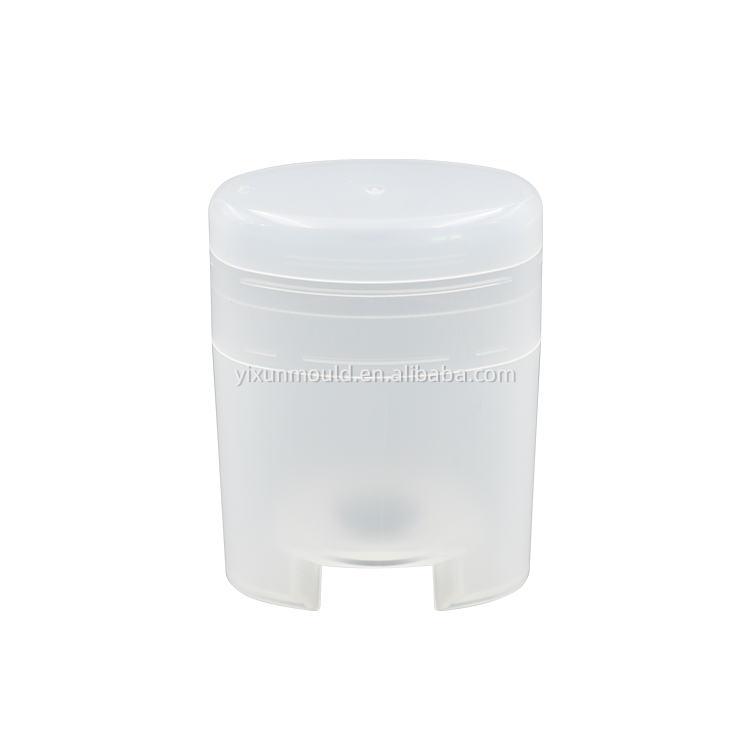
Before approving any tooling investment, you must conduct critical engineering checks. Evaluating supplier expertise and DFM (Design for Manufacturability) capabilities ensures early success. You must review specific product design elements thoroughly to avoid downstream failures.
Gates leave inevitable marks where molten plastic enters the cavity. You must employ clever strategies to hide gate vestiges, weld lines, and flow marks. Always place these on non-facing, obscured surfaces. The bottom of heavy-wall jars, the interior threads of caps, or hidden internal ribs work best. Submarine gates or hot runner systems often provide cleaner results, though they require more complex tooling designs.
Strict engineering rules demand uniform wall thickness throughout the part geometry. Variations in thickness cause the plastic to cool at drastically different rates. This uneven cooling leads directly to warping and visible sink marks. These defects easily ruin high-gloss, premium finishes. If thickness must change for structural reasons, you must use gradual, sloped transitions. Never use abrupt steps or sharp internal corners.
Proper draft allows easy, frictionless part removal from the steel cavity. Specific numerical guidelines dictate manufacturing success. For high-gloss, mirror-like finishes, use a minimum of 1 to 2 degrees of draft. Heavily textured or frosted surfaces require much more clearance. A standard rule is to add 1.5 degrees of draft for every 0.001 inches of texture depth. This mathematically prevents drag marks and scuffing during the ejection phase.
Threaded closures, snap-fit hinges, and custom dispensing mechanisms introduce complex geometries. Evaluate the true need for side-actions, sliders, or lifters.
Consider these strategic factors during your review:
Does the product design absolutely require a rigid snap-fit mechanism?
Can we utilize bump-offs for softer, more pliable materials instead of complex mechanical lifters?
Do the aesthetic and functional benefits truly outweigh the heavily increased tooling costs and maintenance risks?
Weighing design complexity against long-term tooling reliability is crucial. Simplification often yields much better cosmetic results and significantly faster cycle times.
Industry-standard polymer resins break down into specific solution categories. They offer vastly different visual, mechanical, and chemical performance outcomes. Matching the specific resin to the cosmetic application guarantees better production yields and product lifespan.
Glass-like luxury jars demand exceptional clarity and weight. PMMA (Acrylic), PETG, and Polycarbonate serve these premium needs perfectly. They provide brilliant, diamond-like transparency for thick-walled containers. However, they carry a notoriously high risk of flow marks and trapped moisture. You must use highly polished tools and rigorous material drying protocols. Choosing the right transparent plastic for injection molding prevents visual defects. Polycarbonate offers high impact resistance, while PMMA offers the best scratch resistance for premium displays.
Functionality matters just as much as visual appeal. Polypropylene (PP) excels for living-hinge caps and squeeze tubes. It offers unmatched fatigue resistance and excellent chemical stability against harsh cosmetic solvents. ABS provides incredible structural rigidity and dimensional stability. It also supports secondary finishing processes beautifully. Brands frequently use ABS for vacuum metallizing, electroplating, or hot foil stamping. It remains a reliable staple for robust cosmetic packaging components that require post-mold decoration.
Cosmetics contact human skin directly, and sometimes mucous membranes. Packaging materials must meet incredibly strict safety and regulatory standards. You must verify FDA-approved food-grade certifications for any direct-contact components. European markets strictly require REACH-compliant resins to prevent toxic chemical leaching. Transparent assumptions regarding material certifications protect your brand from devastating legal recalls. Always request official Material Safety Data Sheets (MSDS) and compliance certificates before finalizing your resin choices.
Selecting the physical mold material is a foundational framework decision. You must base this choice strictly on anticipated production volumes and required surface finishes. An injection part mold represents a significant capital investment. Understanding Society of Plastics Industry (SPI) classifications helps you plan effectively for long-term scalability.
Aluminum alloys are highly cost-effective and machine very quickly. They work well for rapid prototyping or low-volume market testing of new beauty lines. However, they present major limitations for full-scale cosmetics. High-gloss finishes degrade rapidly on soft aluminum. It simply cannot withstand abrasive resins, high clamping forces, or high-pressure cycles over long periods.
Pre-hardened steel offers a highly reliable middle-ground choice. It handles medium production runs effectively, typically up to a million cycles. P20 steel can hold decent polish grades and balances machining speed with reasonable, long-term durability. It remains a popular choice for internal components or matte-finish compacts.
This is the absolute gold standard for a Cosmetic Packaging Mold. Hardened tool steel holds SPI A-1 diamond buff finishes flawlessly. It operates over millions of continuous cycles without flashing, deforming, or exhibiting parting-line wear. The higher upfront capital required for heat-treating and hard-milling eliminates scaling bottlenecks later.
Here is a detailed comparison of standard mold classes to guide your procurement strategy.
Mold Class (SPI Standard) | Common Tooling Material Type | Expected Production Cycle Life | Best Application in Cosmetics |
|---|---|---|---|
Class 105 / 104 | Aluminum / Mild Steel | Under 100,000 cycles | Prototyping, Market Testing, Soft Launches |
Class 103 / 102 | Pre-Hardened Steel (P20) | 100,000 to 1,000,000 cycles | Medium Volume, Standard Matte Finishes |
Class 101 | Hardened Steel (H13, S7, 420SS) | 1,000,000+ cycles | High-Gloss Mirrors, Mass Global Production |
Vetting a supplier before issuing a substantial Purchase Order mitigates massive financial and timeline risks. You need tooling partners who demonstrate trustworthiness through transparent, data-backed processes. Look for evidence-oriented language rather than empty marketing promises during your facility audits.
Never skip pre-production digital simulations. Demand physical evidence of comprehensive mold-flow analysis. This specialized software identifies potential air traps, weld line placements, and severe warp risks. It precisely calculates optimal gate locations and cooling channel layouts before cutting any expensive steel. Good partners use this data collaboratively to optimize the tool layout with your engineering team.
Outsourcing mold polishing introduces severe, uncontrollable quality risks. SPI A-1 and A-2 diamond finishes require highly specialized, artisanal expertise. Partners must possess dedicated in-house capabilities to achieve these exacting grades. In-house polishing teams control the lighting and environmental dust, preventing microscopic contamination. Furthermore, they can quickly restore degraded finishes during routine maintenance without shipping the tool off-site.
Tight-tolerance cosmetic closures require strict measurement and validation. Ensure the supplier provides transparent First Article Inspection (FAI) reports. They should use advanced Coordinate Measuring Machines (CMM) for data-backed geometric verification. Look for these specific QA practices when auditing a supplier:
Automated optical inspections for microscopic surface defect detection.
Documented steel hardness testing (Rockwell C scale) before and after machining.
Detailed dimensional reports perfectly matching your 2D tolerance drawings.
Scientific molding studies (Decoupled Molding) to establish a robust process window.
A successful cosmetic packaging project requires careful orchestration of multiple engineering disciplines. It inherently results from strict DFM adherence, precise polymer material matching, and the selection of high-grade tooling steel. Skimping on any of these foundational elements invites surface defects, brand damage, and costly production delays. You must treat tooling not as a simple expense, but as a strategic asset that guarantees product consistency. Partner heavily with suppliers who prioritize engineering precision and operational transparency.
Your next logical step involves direct, technical action. Do not simply request a blind price estimate based on a rough sketch. Instead, submit your finalized 3D CAD files for a comprehensive DFM review. Request a highly detailed tooling quote specifically based on SPI Class 101 or 102 specifications. This proactive, data-driven approach ensures your final packaging strictly meets the highest luxury market standards.
A: Realistic timelines typically range from 4 to 8 weeks. Complex polishing, especially for SPI A-1 finishes, adds significant time. However, this extra duration guarantees impeccable surface quality. Rushing the machining or polishing phases usually results in visible tool marks and costly rework.
A: Clear jars require SPI A-1 or A-2 surface grades. These represent the highest levels of diamond buffing. Achieving this standard requires hardened tool steel, such as H13 or 420 Stainless, to hold the polish without degrading under injection pressures.
A: Changing resins poses severe risks. Different materials have vastly different shrinkage rates. A tool designed for ABS will not yield correct dimensions if injected with Polypropylene. You must commit to a specific resin during the design phase to ensure dimensional accuracy.
A: Preventing flash requires incredibly tight mold tolerances and proper clamping force. Hardened steel components resist wear along parting lines. Maintaining precise machine calibration ensures injection pressure does not force plastic outside the designated cavity.


